

Harbor Filled with Boats, Ren? Lehmkuhl at Upslpash
Yacht ownership stretches well past the initial purchase price. It?s a significant financial commitment that covers the acquisition itself, day-to-day upkeep, and eventually, resale.
Owners must factor in annual running costs such as fuel, marina fees, crew wages, and maintenance. This helps to keep the yacht seaworthy and attractive when it?s time to sell.
The total outlay can vary dramatically, depending on factors like size, age, and brand. A larger, newer superyacht will usually call for a bigger initial spend and higher operating costs, from specialised crews to advanced onboard systems.
An older or smaller yacht might cost less upfront but can need more frequent servicing, which affects long-term budget planning.
Getting to grips with all these expenses is essential for making a practical ownership plan. Prospective buyers should thoroughly gauge both purchase and ongoing costs to ensure their luxury yachting experience stays both exciting and financially sensible for years to come.
The Initial Acquisition
The purchase itself tends to be the biggest one-time outlay when you decide on a yacht. Prices can start in the lower millions and soar into tens of millions if you fancy a larger superyacht.
This wide range springs from differences in size, build quality, and onboard amenities like swimming pools, jacuzzis, and custom entertainment systems. Whether you choose a fresh-off-the-line yacht or a pre-owned model also has a big impact on the final bill.
Pre-owned yachts are often cheaper upfront but might demand extra money for essential refits or new features, so it?s important to weigh these potential costs against the appeal of a lower initial price tag.
Annual Operating Expenditures
Crew Salaries and Administration
Crew salaries are the largest ongoing expense on a yacht, often taking up 30?40% of the annual budget.
Bigger yachts usually call for a broad team?captain, engineers, deckhands, stewards, and chefs?so that advanced systems run without a hitch and the standard of service stays high. Having enough crew in place covers day-to-day tasks while also keeping safety and legal obligations in check.
Outside monthly wages, administrative fees also make a significant impact on yearly spending. Tasks such as accounting, licensing, and meeting strict safety requirements are all part of the deal. By engaging professional managers or specialised firms, owners ensure that these duties are handled appropriately, allowing the yacht to stay compliant and well-organised throughout each season.
Fuel and Dockage
Fuel can be one of the biggest running expenses, particularly if you enjoy higher speeds or cover longer routes. The faster and farther you go, the more quickly these costs mount.
Docking fees also place a noticeable dent in the budget. Charges differ by harbour, and you might need to book well ahead in popular spots during the busy season.
In certain areas, having the yacht stored out of the water over winter is a smart way to keep it in good shape when harsh weather sets in. This approach helps reduce exposure to storms and cuts down on costly repairs later.
Maintenance and Refit
Routine servicing is crucial for keeping all onboard systems in good condition. Scheduling checks during calmer periods helps you spot and fix potential problems before they disrupt your plans.
Periodic refits or overhauls freshen up older technology and d?cor while safeguarding the yacht?s resale value. When unexpected breakdowns arise, you may need to find spare parts and skilled labour quickly to avoid longer delays. Simpson Marine’s Hong Kong offices can help you connect with reliable resources for timely repairs.
Forward-thinking maintenance plans?covering both regular upkeep and sudden repairs?go a long way in preventing downtime and preserving your yacht as a valuable asset.
Insurance and Financing
Yacht insurance is your shield at sea, covering everything from collisions to rough weather. Premiums hinge on details like the yacht?s age, market value, and level of cover. If you?ve picked up an older vessel, you may expect higher rates, while opting for broader protection can push costs even further. Being clear on exactly what?s included helps you stay covered without stretching the budget.
Getting a yacht on finance typically means dealing with loan repayments and additional fees each month. These should fit neatly into your annual budget so that vital upkeep remains a priority. Maintaining harmony between insurance premiums, loan interest, and other financial commitments is key to keeping your long-term ownership plans afloat.
Additional Considerations
Extra amenities can quickly drive up your annual budget. Beyond everyday comforts, things like water toys and high-end entertainment systems often call for custom upkeep and specialised storage.
Bringing on extra specialists?like massage therapists or personal trainers?amps up the indulgence but also pushes running costs higher.
Victualling is a major slice of your spending that covers food, drink, and cleaning supplies for both personal use and entertaining guests. The total bill can climb as your yacht hosts more gatherings or charters.
Selecting a well-known yacht builder involves financial decisions of its own. Though top-tier brands often demand a heftier purchase price, they typically provide stronger construction and may hold their value more solidly in the long run, even if you have to pay a premium upfront.
Resale and Exit Costs
Selling a yacht is rarely a quick affair, especially at the high end of the market, where you might wait months?or even years?for the right buyer to come along.
During this waiting game, the owner still shoulders regular expenses, including crew salaries, insurance payments, and harbour fees.
Many owners also opt to invest in repairs or upgrades beforehand. These could be minor fixes or larger-scale refits to keep the yacht looking first-rate and draw the eye of particular buyers.
Some prospective purchasers may even put in a conditional offer resting on the completion of these improvements, underscoring how crucial it is to present the vessel in top condition.
Brokerage commissions and marketing spend can further add to the overall final outlay. Working with a specialised broker can be a smart move to handle the demands of the luxury yacht sector, although these costs must be built into the sale plan.
Being aware of these exit-related expenses from the start allows owners to better judge their total financial commitment, resulting in a smoother departure from yacht ownership.
Charter Opportunities
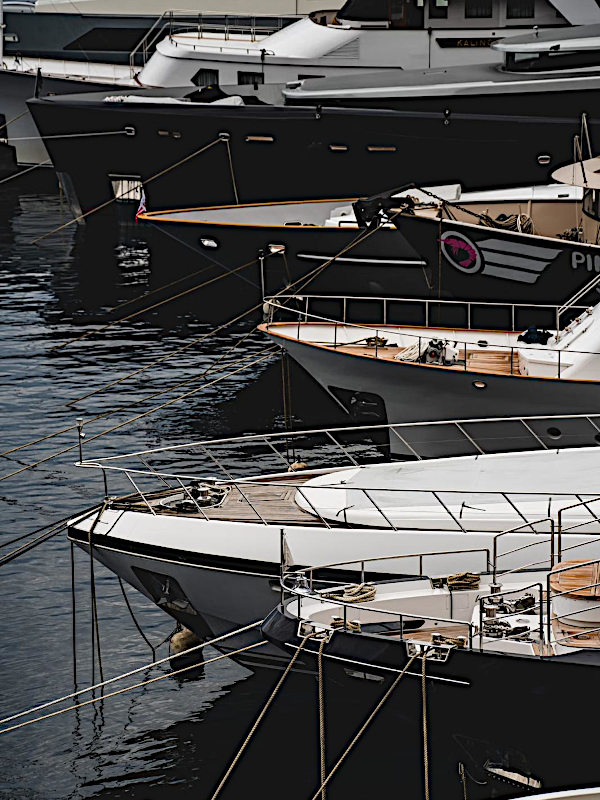
Boats That are Sitting in the Water, John Murphey at Upslpash
Many owners list their yachts for charter to soften the blow of hefty running costs.
When the yacht lies idle, chartering it out can help pay for crew, upkeep, and berth fees, though it rarely generates a stable profit.
In most cases, the added revenue only covers part of overall expenses, so while it does provide some financial breathing room, it?s seldom a major money-spinner.
Keeping everything in prime shape is essential once you decide to charter, as potential guests expect top-notch presentation and smooth technical performance.
A well-maintained yacht draws in discerning travellers and safeguards its long-term value in the high-end market.
Consistent servicing, deep cleaning, and updated amenities boost its reputation on the charter circuit, which in turn lightens the load of ongoing operating costs.
Key Points to Keep in Mind
Planning to set aside around 10?15% of the yacht?s purchase price each year for upkeep is a common benchmark. This approach keeps your finances on track by covering most of the essential costs.
Effective crew oversight and well-organised maintenance routines keep the vessel running smoothly, preventing unwanted repair bills and potential downtime.
Keeping thorough documentation of all service work is a savvy move, as buyers tend to gravitate to yachts with strong maintenance histories. Opting for a reputable builder can also help support your yacht?s future resale value.
Above all, the genuine value of owning a yacht goes beyond spreadsheets. It lies in the comfort, memories, and sense of freedom you enjoy?well worth the ongoing financial responsibilities.